
What We Do
Our Programs
Consolidated and structured pathways designed to empower farmers, add value, and improve community livelihoods.
Climate-Smart Agriculture
Program Goal: To implement climate-smart agricultural interventions that enhance productivity, protect the environment, and build resilient farming livelihoods in the Rwenzori region.
01
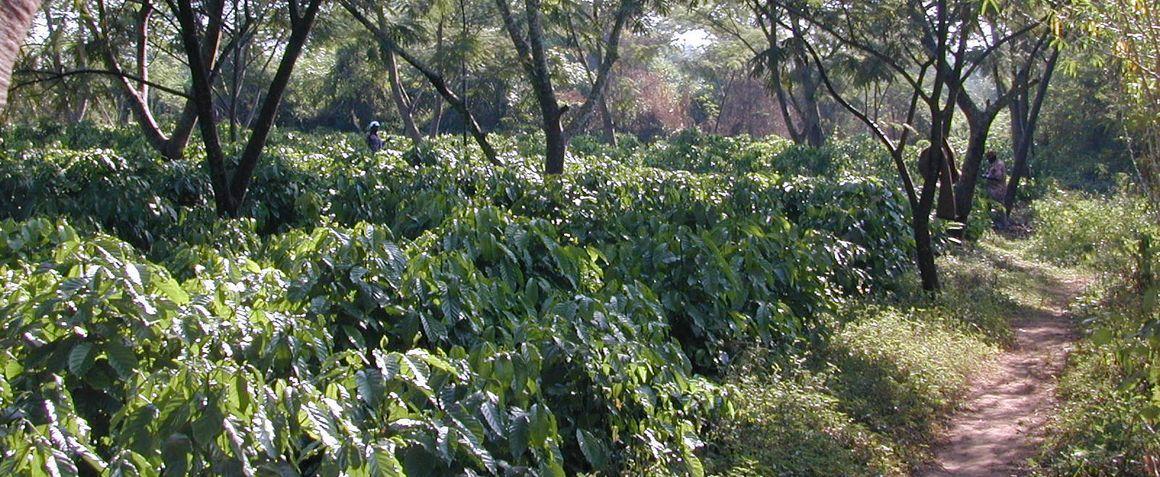
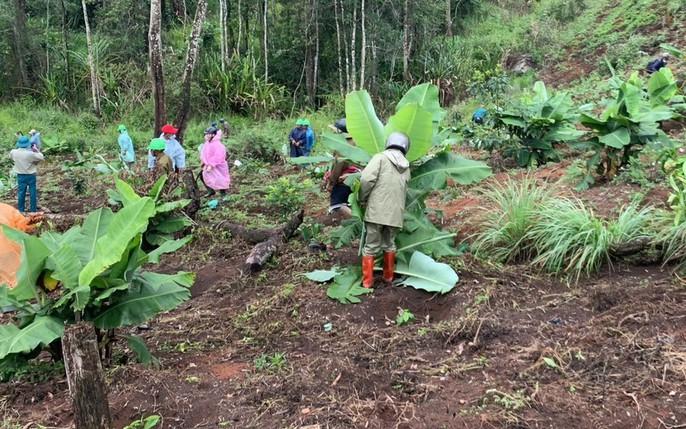
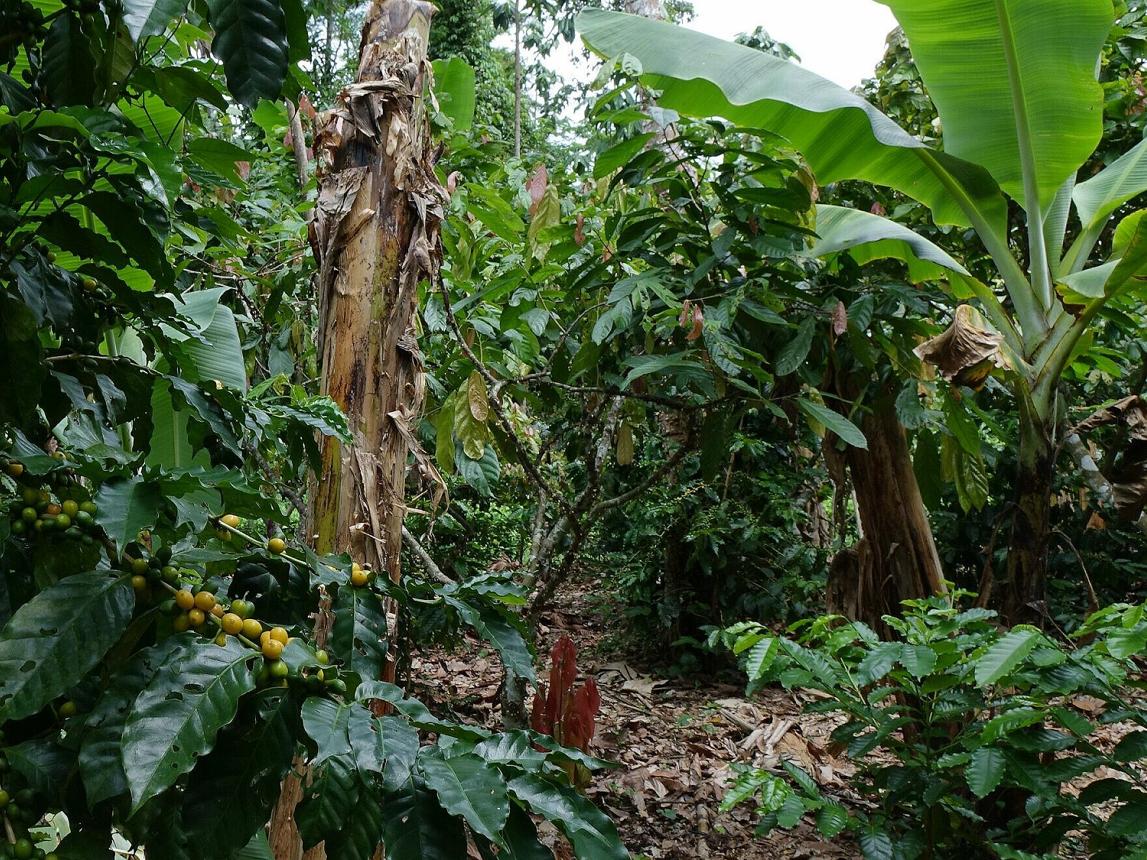
Environmental Protection, Agroforestry & Tree Planting
This is the most widely promoted CSA intervention in the Rwenzori region.
Key Activities
- Planting shade trees in coffee and cocoa plantations.
- Establishing woodlots for sustainable fuel and timber.
- Planting fruit trees to improve household nutrition and income.
- Restoring degraded hillsides and riverbanks through soil-binding plants.
- Conserving and promoting indigenous tree species.
Expected Outcomes & Benefits
- Reduces heat stress on coffee and cocoa crops.
- Improves soil fertility through organic leaf litter.
- Enhances carbon sequestration capacity.
- Protects and restores local biodiversity.
- Diversifies and stabilizes household income.
02
Soil and Water Conservation
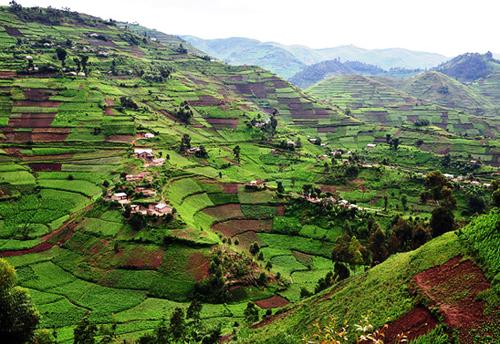
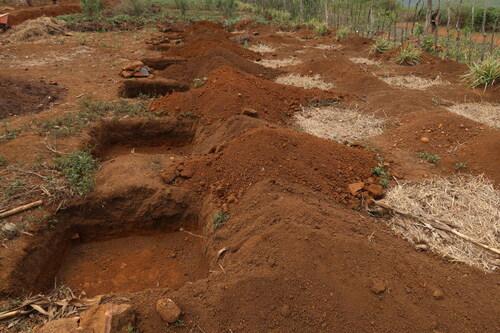
Because the Rwenzori landscape is mountainous, preventing soil erosion is essential.
Key Activities
- Constructing terraces on steep agricultural slopes.
- Implementing contour farming and planting grass strips.
- Building stone bunds and check dams to control water runoff.
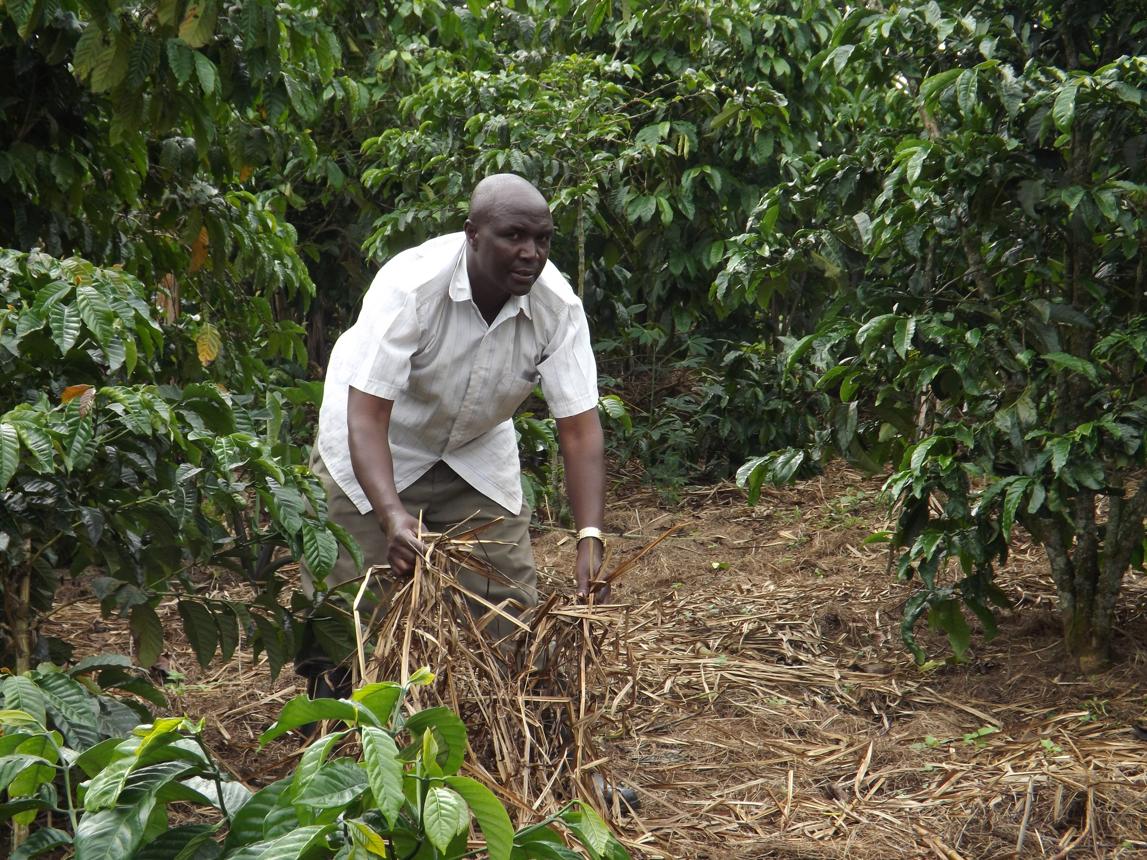
- Applying mulching and organic composting to conserve soil moisture.
- Establishing rainwater harvesting systems and drainage channels.
Expected Outcomes & Benefits
- Significantly reduces soil erosion and landslide risks.
- Conserves soil moisture during dry spells.
- Reduces localized floods and water runoff damage.
- Improves soil organic matter content and structure.
- Maintains long-term agricultural productivity.
03
Climate-Resilient Crop and Livestock Production
Farmers are encouraged to adopt improved technologies that can withstand changing weather.
Key Activities
- Distributing and planting drought- and disease-tolerant crop varieties.
- Introducing improved coffee and banana varieties.
- Diversifying household farming enterprises (coffee, cocoa, bananas, beans, vegetables, fruits).
- Improving pasture management and establishing zero-grazing systems.
- Upgrading livestock housing and promoting improved fodder production.
Expected Outcomes & Benefits
- Ensures stable yields despite climate variability.
- Reduces overall risk of complete crop failure.
- Improves livestock health and dairy/meat productivity.
- Enhances household food security and dietary diversity.
04
Integrated Soil Fertility and Pest Management
Healthy soils and reduced pest pressure increase resilience to climate change.
Key Activities
- Promoting compost and farmyard manure application.
- Implementing green manuring and crop rotation practices.
- Encouraging intercropping to maximize space and nutrients.
- Training on Integrated Pest Management (IPM) techniques.
- Promoting biological pest controls and reducing dependence on synthetic chemicals.
Expected Outcomes & Benefits
- Restores and maintains natural soil fertility.
- Reduces production costs by minimizing synthetic input usage.
- Fosters healthier agricultural ecosystems.
- Builds crop resistance to emerging pests and diseases.
- Increases crop yields sustainably.
05
Farmer Capacity Building and Climate Information Services
Knowledge transfer is critical for successful CSA adoption.
Key Activities
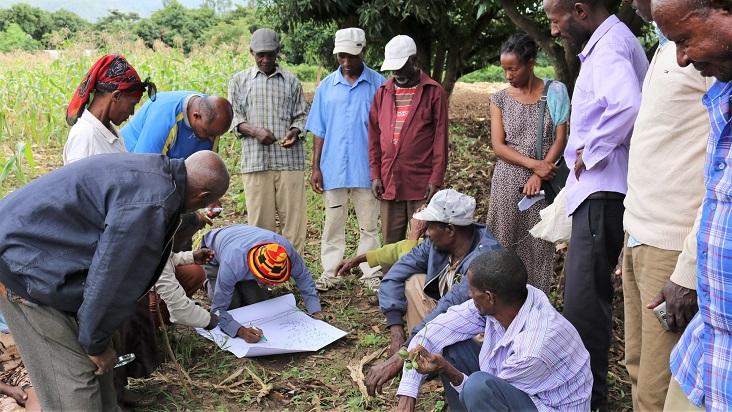
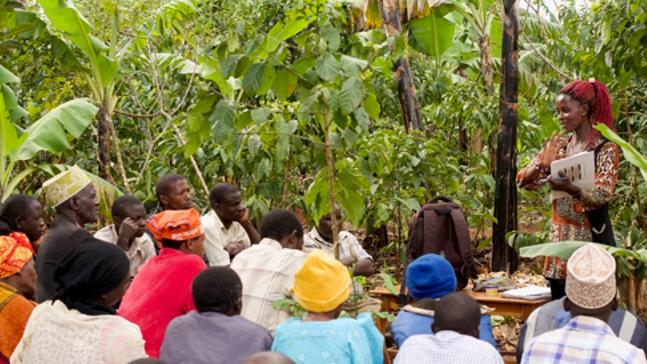
- Establishing Farmer Field Schools (FFS) for hands-on learning.
- Setting up demonstration gardens as localized learning hubs.
- Providing climate and weather advisory services to guide farming calendars.
- Strengthening community-based extension services.
- Supporting record keeping and farm business management training.
Expected Outcomes & Benefits
- Accelerates adoption of climate-smart agricultural technologies.
- Enables better, data-driven farm decision-making.
- Improves farmer access to structured value chains.
- Increases community resilience to sudden climate shocks.
- Strengthens farmer groups and cooperatives.